Caribbean Food Centennial Recipes to Celebrate 100 Years
A centennial celebration asks for food with memory in it. Not just crowd-pleasers, not just colorful platters, but dishes that can hold a hundred years of family stories, migration, improvisation, Sunday cooking, and festive abundance. Caribbean food does that better than almost any cuisine I know. It is generous, layered, and honest. It carries Indigenous roots, African technique, European influence, Indian seasoning, Chinese adaptation, and the practical intelligence of island cooking, where a pot must feed everyone who arrives and still taste even better an hour later.
When people search for ideas around a caribbean food centennial gathering, they are usually trying to solve two problems at once. They want food that feels ceremonial enough for the milestone, and they want dishes that can actually work for a real event, with timing constraints, mixed generations, and a table that may need to sit out for a while. The best centennial menu is not the most elaborate one. It is the one that honors heritage and serves beautifully under pressure.
I have seen this principle play out at church anniversaries, 90th birthdays that turned into all-day neighborhood events, and one especially memorable hundredth celebration where the guest of honor wanted only two things: rice that was not dry and black cake with enough rum to “taste like respect.” That line stayed with me. Respect, on a table like this, comes from detail. It is in browning the meat properly, steeping the sorrel long enough, resting the fried plantains on a rack instead of paper so they stay intact, and letting the old recipes lead rather than trying to make everything trendy.
The shape of a centennial table
A hundred-year celebration usually stretches across more than one hour and more than one appetite. Some guests arrive ready to eat a full plate. Others want to graze, talk, and come back later for a second helping. Caribbean menus suit that rhythm because they naturally balance dishes that can hold on steam, dishes that are best fresh, and desserts that deepen in flavor as they sit.
For an event of this scale and meaning, I lean toward a table built around a few major anchors rather than a dozen minor ones. One braised dish, one rice dish, one starch that everyone reaches for instinctively, one bright salad or slaw, one celebratory drink, and one dessert with ceremonial weight. That creates abundance without chaos. It also reflects the way Caribbean family meals often work at their best. The table feels full because each item has presence.
What follows is not a rigid menu but a set of recipes and strategies that fit a centennial occasion particularly well. They come from across the Caribbean, because no single island can stand in for the whole region. The goal is not to flatten those distinctions, but to appreciate the common language of spice, patience, hospitality, and bold flavor.
Start with the dish that smells like the celebration has begun
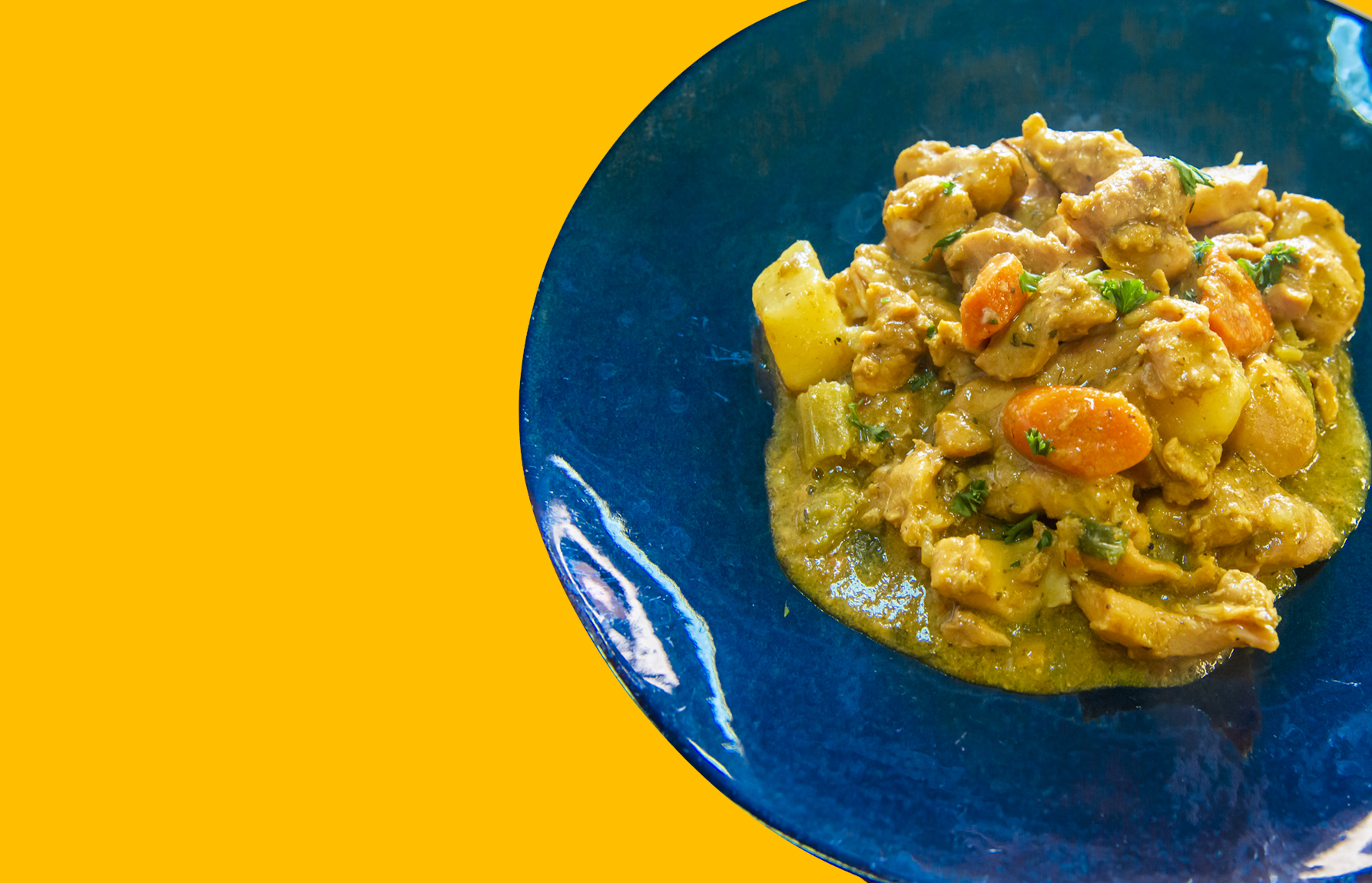
If I had to choose one savory centerpiece for a hundred-year event, I would choose Caribbean braised meat, the kind that perfumes the house or hall before guests even find the buffet. Depending on the family tradition, that may be Jamaican brown stew chicken, Trinidad-style stew chicken, Puerto Rican pernil, or Cuban-inspired roast pork with garlic and citrus. For a large centennial, stew chicken often wins for practical reasons. It scales well, it holds its flavor, and it tastes unmistakably festive.
The heart of good stew chicken is not the final simmer but the browning stage. In many Caribbean kitchens, sugar is carefully caramelized in oil until it reaches a deep mahogany shade, then the seasoned chicken goes in and seizes with color and flavor. This is not a step to rush. If the sugar is too pale, the dish lacks its characteristic depth. If it goes too far, you get bitterness that no amount of thyme or scallion can fix. Experience matters here. The scent shifts from sweet to toasty in seconds.
The seasoning should be assertive. Green seasoning, made with scallion, thyme, garlic, hot pepper, onion, and often celery or culantro, gives the dish its backbone. A proper overnight marinade changes the texture as much as the flavor. The chicken should taste seasoned through, not coated on the outside. For centennial service, I prefer dark meat, because it tolerates holding better than breast meat and remains tender even if the event runs long.
Bell peppers, carrots, a little ketchup in some households, fresh thyme, and a measured amount of Scotch bonnet round out the pot. The finished sauce should cling lightly to rice, not flood the plate. This matters at large gatherings, where too-thin gravy makes buffet plates messy and cools food too fast.
If the family honors a person with Puerto Rican roots, pernil is another worthy centerpiece. A shoulder roast slashed and rubbed with garlic, oregano, salt, black pepper, and sour orange or vinegar develops that ideal contrast between deeply seasoned interior meat and crackling exterior skin. Pernil asks for a long roast and a bit of nerve. The temptation is always to cover it too long and lose the crispness. Better to roast until nearly tender, then uncover and let heat do its work. For a centennial, carve it in generous shreds rather than neat slices. It reads as abundance, and it stays moist on a buffet.
Rice is not a side dish, it is the measure of the cook
At a celebration like this, rice often tells guests everything they need to know before they even taste the main dish. If the rice is fragrant, distinct, and properly seasoned, confidence spreads down the line. If it is bland or clumped, people notice immediately.
For a centennial menu, coconut rice and peas is the strongest choice. It is festive without being fussy, familiar across many Caribbean communities, and rich enough to feel special while still partnering well with braised meats. The details matter more than the ingredient list suggests. Use coconut milk with body, not the thin, watery kind. Let the peas, whether kidney beans, pigeon peas, or gungo peas depending on tradition, season the cooking liquid before the rice goes in. Add thyme, scallion, onion, and a whole Scotch bonnet for aroma rather than outright heat, unless the family expects a hotter table.
The texture should be soft but not wet, with grains separate enough to fluff cleanly. This is where event cooking can go wrong. Rice made too early and left in a tightly covered pan often turns heavy by serving time. The fix is simple but often overlooked. Once the rice is done, uncover it briefly to release excess steam, fluff gently, then hold it loosely covered in a warm environment rather than trapping every bit of moisture.
For some centennial events, pelau deserves consideration instead. Trinidadian pelau brings rice, pigeon peas, meat, coconut milk, and caramelized sugar together in one pot. It is deeply practical for a large gathering because it delivers so much flavor in a single vessel, and it speaks to the Caribbean genius for one-pot cooking. Still, for a formal hundred-year celebration, I often keep rice separate from the main meat dish. Guests appreciate the ability to build their own plate, and separate dishes look more abundant on a serving table.
Plantains belong on this table
Very few foods communicate Caribbean warmth and hospitality as quickly as fried ripe plantains. They are sweet, soft at the center, crisp at the edges, and they bridge generations effortlessly. Children take them because they are sweet. Elders take them because they know exactly how good they are beside savory meat and rice. In practical event terms, plantains also add color and visual generosity.
The key is ripeness. For this occasion, use plantains that are mostly black or heavily speckled, with only a little yellow left. Yellow-only plantains can be pleasant, but they will not give you that jammy, almost custard-like sweetness that balances a savory buffet. Slice them on the diagonal, fry in moderately hot oil, and do not crowd the pan. If the oil is too hot, they brown before they soften. If the oil is too cool, they absorb grease and collapse.
A small trick from caterers and home cooks alike is to drain them on a rack rather than directly on paper towels. Paper traps steam and softens the crust. A rack preserves the edges for longer, which matters if trays are being replenished over the course of an afternoon.
If the family prefers a less sweet starch, you can add tostones, especially for a mixed menu that includes seafood or roast pork. But for a hundred-year celebration, ripe plantains usually carry more emotional weight. They feel like comfort, and comfort is often what people remember.
A fish course can honor coastal traditions beautifully
Not every centennial celebration needs fish, but when seafood is central to family identity, it can be one of the most elegant ways to represent the region. Escovitch fish, in particular, has a celebratory presence. Crisp fried fish topped with a sharp pickled mixture of carrots, onions, pimento, and hot pepper brings brightness to a rich menu. It also signals confidence, because good escovitch depends on balance. The fish must remain crisp enough to contrast with the vinegar dressing, but not so dry that it tastes only of crust.
For large gatherings, whole fish can be difficult to manage unless there is staff to handle bones and service carefully. In that case, snapper fillets or even smaller, bone-in portions work better. Season simply with salt, black pepper, and perhaps a little allspice before frying. The escovitch vegetables should retain bite. Overcooked onions and carrots lose the dish’s point. You want acidity, crunch, and heat, not a soft relish.
There is one trade-off worth mentioning. Fish is less forgiving than braised meat on a buffet. It demands sharper timing and more attentive replenishment. If service conditions are uncertain, or if the event is outdoors in warm weather, fish may be better offered in smaller, refreshed batches rather than as the main anchor.
Pepper pot, callaloo, and the depth of greens
Centennial cooking should not sideline the vegetable dishes. In many Caribbean households, greens and slow-simmered vegetable preparations are where true depth appears. A rich callaloo, whether Trinidadian in style with dasheen leaves, okra, coconut milk, onion, garlic, thyme, and sometimes crab, or Jamaican-style with amaranth greens sautéed and steamed, brings earthiness and softness to a plate full of bolder elements.
Callaloo is especially valuable on a celebration table because it rounds out the meal without feeling dutiful. Guests do not take it out of obligation. They take it because its texture and seasoning settle the plate. The trick is not to over-blend or overcook it into anonymity. Greens should taste green. Coconut milk should support, not blanket. If using crab, the amount should be enough to perfume the pot, not dominate every spoonful.
Guyanese pepperpot offers another route entirely, dark, spiced, and ceremonial. Traditionally made with cassareep and warm spices, it has a depth that feels almost historical in the bowl. For the right family, especially one with Guyanese ties, it can be the emotional center of the menu. It is also one of those dishes that improves when made ahead, a major advantage for a large event. But pepperpot is specific and assertive. It deserves to be served because it means something to the people gathering, not because it sounds impressive on paper.
The slaw and salad should cut through richness
Celebration menus built around braises, rice, and fried plantains need one dish that resets the palate. A simple Caribbean cabbage slaw does this well. Cabbage, carrot, bell pepper, onion, lime juice, a touch of sugar, and enough salt to wake everything up can provide the crunch and acidity the plate needs. Some cooks add pineapple, and when it is done with restraint it works, particularly alongside jerk or roast pork. Too much fruit, though, and the salad starts competing with the plantains and dessert.
I prefer slaws dressed close to service, but not at the last second. Ten to twenty minutes of contact with lime and salt softens the cabbage just enough while preserving bite. At large events, this timing window matters. Dress it too early and it weeps. Dress it too late and it tastes disjointed.
A cucumber salad with vinegar and herbs can also work, especially in hot weather. The broader principle is simple. Every rich plate needs one cool, acidic note, and a centennial menu is no exception.
No centennial drink table is complete without sorrel or mauby
Beverages at milestone Caribbean gatherings often carry as much expectation as the food. Sorrel is the obvious celebratory choice, especially around the holiday season but welcome far beyond it. Hibiscus steeped with ginger, cloves, cinnamon, and citrus peel creates a drink that looks ceremonial before anyone even tastes it. The best versions balance tartness, spice, and sweetness without collapsing into syrup.
For a hundred-year event, make sorrel ahead and chill it thoroughly. Letting it rest overnight improves integration. If serving alcohol, add rum separately rather than spiking the whole batch unless the gathering clearly leans that way. Not everyone wants it, and a centennial event usually spans ages and preferences.
Mauby, with its bittersweet bark-based flavor, is more polarizing but deeply beloved in some communities. If the family grew up with it, serving mauby can be a gesture of real recognition. It says this event is not just festive, it is rooted. Those are not the same thing.
Fresh ginger beer is another strong option. Homemade versions with real ginger bite and controlled sweetness feel far more dignified than overly sweet commercial sodas. At a long event, guests appreciate having a drink that refreshes rather than weighs them down.
Black cake is still the grand finale
For a true centennial dessert, black cake remains unmatched. It has stature. It signals occasion. It tastes like time. The soaked fruit, the dark sugar, the spice, the butter, the browning, and the rum all work together to create something far more complex than an ordinary cake. It is one of the few desserts that can feel both celebratory and ancestral.
A proper black cake begins long before baking day, with dried fruits soaked in rum and sometimes wine until they soften and deepen. The fruit is then blended or finely chopped depending on family preference. Some like a smoother crumb, others want discernible bits of fruit. Neither is wrong. What matters is that the cake remains moist and carries a deep, rounded flavor rather than tasting merely sweet.
Browning is one of those ingredients that separates confident black cake from timid versions. Too little and the cake lacks depth and color. Too much and it turns harsh. The ideal cake is dark but not scorched in flavor. Spices should be noticeable but not dominant. Nutmeg, cinnamon, and mixed spice often appear, but restraint matters.
This is also a dessert that benefits from patience. If baked a day or two ahead and fed lightly with rum or wine, it settles into itself. For a centennial event, cut small slices. Black cake is rich, and guests often want just enough to Reggae Pot Jamaican Grill caribbean food centennial savor while they stand around talking, which is exactly how milestone desserts should work.
If black cake feels too dense for the crowd, pair it with a lighter coconut tart or guava pastry on a dessert side table. But black cake should still lead. A hundred years deserves gravity.
Jerk belongs, but use judgment
Jerk is one of the Caribbean’s most internationally recognized preparations, and for good reason. Proper jerk, with allspice, thyme, scallion, Scotch bonnet, garlic, and smoke, is unforgettable. It can absolutely have a place at a centennial celebration, especially as grilled chicken, pork, or even fish. But I would use it thoughtfully.
Outdoor jerk service has theater. The smoke, the chopping, the aroma, the dark bark on the meat, all of that feels alive and communal. The challenge is that jerk can dominate a mixed buffet if the heat level is not managed. For a broad guest list, I often recommend seasoning deeply but dialing the raw heat slightly below what a dedicated jerk stand might serve. Then offer pepper sauce at the table for those who want the extra kick.
The other issue is timing. Jerk is best close to the fire. If you have live grilling capacity during service, it is a superb addition. If not, a braised or roasted main dish is usually safer as the anchor, with jerk appearing as a supplemental feature rather than the core of the meal.
How to make these recipes work for a real celebration
The romance of heritage cooking can disappear quickly when fifty people show up at once and all want hot food. The answer is not to simplify the menu until it loses its soul. The answer is to choose recipes that survive scale.
Stewed meats, rice and peas, callaloo, sorrel, and black cake all hold or improve with a little time. Fried items and grilled items need more care, so build them into the menu only if you have a system for replenishment. This is where good event cooking differs from good home cooking. Technique matters, but sequence matters just as much.
Seasoning in advance is one of the biggest advantages Caribbean food offers. Green seasoning, marinated meats, soaked fruits for cake, steeped sorrel, and even prepped slaw vegetables can all be handled ahead. That allows the celebration day itself to focus on finishing, reheating, and serving rather than frantic chopping.
Portioning deserves honesty too. People often eat more broadly at a milestone event because they want to taste everything, but they do not necessarily eat heavier portions of every item. Rich mains and dense desserts go farther than expected. Plantains, rice, and slaw disappear fast. Be generous with those.
A sample centennial menu with balance
If I were building a menu for a hundredth birthday or anniversary around these principles, I would shape it this way:
- Brown stew chicken or pernil as the main centerpiece
- Coconut rice and peas as the anchor starch
- Fried ripe plantains and callaloo for comfort and contrast
- Cabbage slaw and sorrel for brightness
- Black cake to finish with proper ceremony
That combination works because it gives the plate dark savory depth, creamy starch, sweetness, acidity, greenery, and a dessert that feels worthy of the occasion. It also respects the practical realities of large-format service.
Food that respects the years
A centennial meal should feel like it belongs to the people gathered around it. That may mean the black cake is non-negotiable, or the pernil must taste exactly like an aunt’s version, or the rice must contain pigeon peas because that is what the guest of honor expects. Those details are not minor. They are the event.
The strongest caribbean food centennial menus do not try to represent every island at once, and they do not chase novelty for its own sake. They choose a handful of dishes with emotional authority and execute them carefully. They value flavor over flash. They remember that a hundred years is not just a number to be marked but a life, a lineage, a body of work, a family archive.
When the food is right, people linger. They point at the serving tray and tell stories. They compare this batch of sorrel to one made twenty Christmases ago. They ask who baked the cake. They go back for another spoonful of rice because it tastes exactly the way celebration is supposed to taste. That is the standard worth aiming for. A centennial deserves food with memory, skill, and enough generosity to feed both the room and the story being honored.
Reggae Pot Jamaican Grill
Address: 7562 S University Blvd Unit C, Centennial, CO 80122
Phone: (303) 997-5623
FAQ About caribbean food centennial
What Jamaican dishes can I try in Centennial?
Reggae Pot Jamaican Grill serves Jamaican specialties such as jerk chicken, stewed oxtail, curry goat, and ackee and saltfish. Check the current menu for availability.
What is ackee and saltfish?
It is Jamaica’s national dish. The restaurant prepares ackee with salted cod, onions, thyme, tomatoes, garlic, black pepper, and pimento.
Can I order Jamaican food for pickup in Centennial?
Yes. Choose the Centennial location at 7562 S University Blvd Unit C when placing a takeout order.