Caribbean Food Centennial: Revisiting Beloved Island Classics
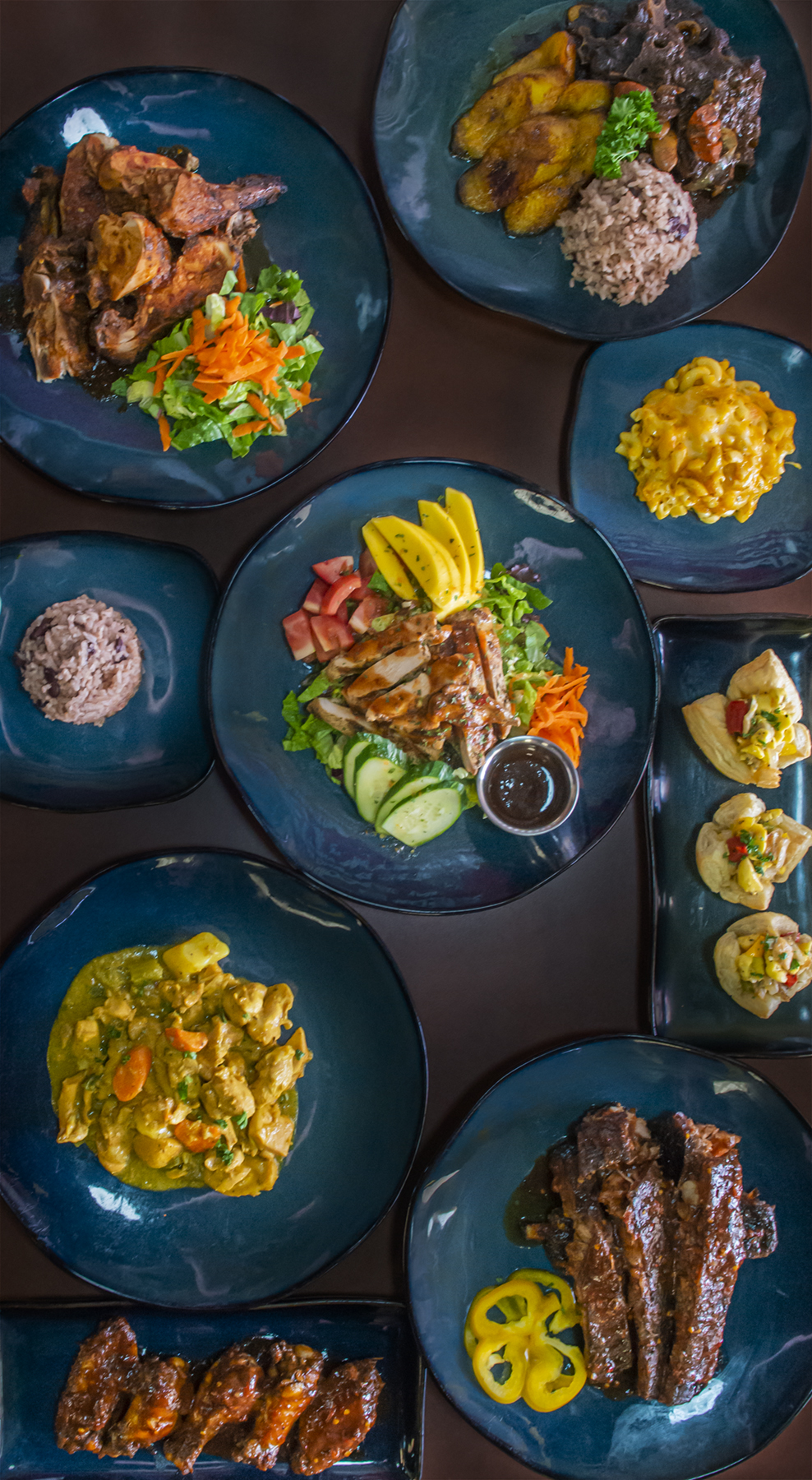
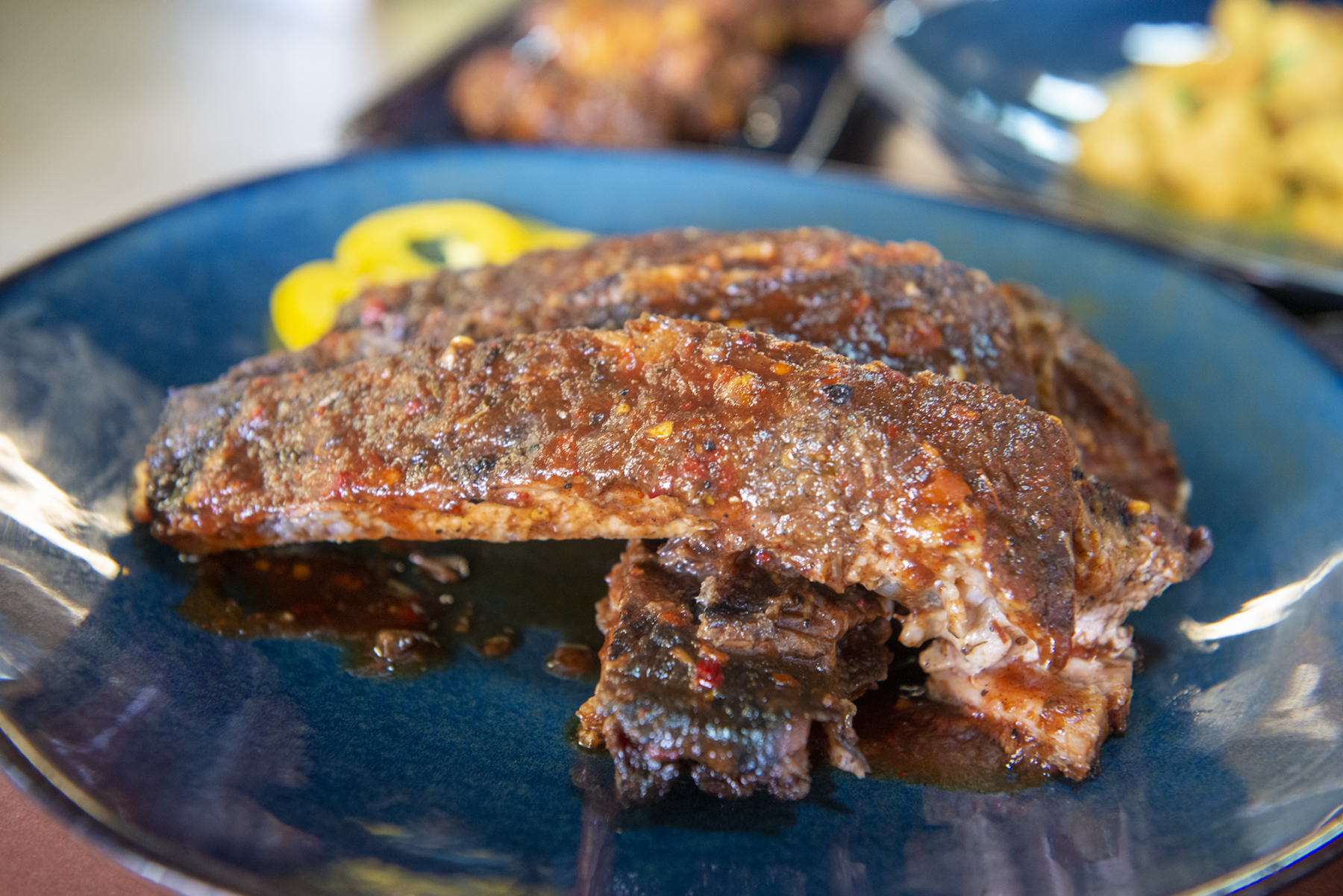
A centennial invites a particular kind of looking back. Not the nostalgic sort that smooths away hardship and complexity, but the sharper, more useful kind, the one that notices what endured. Caribbean cooking has always rewarded that kind of attention. Over the past hundred years, island kitchens have held onto methods older than modern nationhood, adapted to migration and shortages, absorbed outside influence without losing their core, and continued to produce some of the most vivid food anywhere in the world.
When people speak about Caribbean food, they often flatten it into a postcard. A little jerk, a little rum cake, maybe a bowl of rice and peas, and the story seems complete. It never is. The region contains dozens of islands and coastal cultures, layered by Indigenous knowledge, African foodways, Indian indentured labor history, European colonial rule, Chinese migration, Syrian and Lebanese mercantile influence, and the practical intelligence of families who knew how to make a memorable meal from what the land, sea, and market offered that week. A serious look at a caribbean food centennial has to honor all of that.
What stands out across the century is not sameness, but continuity. The names change. The peppers vary. One island stews fish with coconut milk while another reaches for a vinegar marinade, annatto, or green seasoning. Yet the logic beneath the food feels familiar from kitchen to kitchen. Season aggressively. Respect starch. Balance heat with sweetness, salt with acid, richness with fresh herbs. Cook for people, not for spectacle. Make enough for an extra caribbean food centennial plate.
The table remembers more than the textbook
Food often preserves what official history leaves fragmented. A pot of souse says something about thrift, labor, and celebration. Cassava bread carries memory from Indigenous cultivation systems into the present. Pepperpot speaks to preservation as much as flavor. Even the everyday breakfasts, saltfish and bakes, buljol, fried plantain, cocoa tea, boiled green banana, tell you what was traded, what was grown, and what families needed before a long day of work.
In many Caribbean households, the recipes that lasted were not always written down. They survived through repetition, through correction, through comments delivered over a shoulder. More thyme. Let the onions go a little further. That oil is not hot enough. Wash the meat properly. Do not crowd the pan. Those small instructions matter because Caribbean food is rarely just assembly. It depends on judgment. The same callaloo can taste muddy or bright depending on how the aromatics were handled at the beginning. The same brown stew can turn flat if the sugar is not taken to the right stage before the liquid goes in.
That practical wisdom helps explain why the most beloved island classics have outlived trend cycles. They are deeply satisfying, yes, but they are also structurally smart. They evolved under real constraints. Dishes had to stretch ingredients, preserve protein, use every edible part, and hold flavor even after sitting on the stove for a while. Anyone who has reheated a curry goat the next day knows how often Caribbean food improves with time.
Classics that refuse to fade
If there is a short list of dishes that define a century of Caribbean cooking in the public imagination, jerk belongs near the top. Its global popularity can obscure its local specificity. Proper jerk is not merely spicy grilled meat. It is seasoning as technique and landscape as flavor. Pimento wood, Scotch bonnet, allspice berries, scallion, thyme, and smoke matter. So does the tension between fire and perfume. Good jerk should sting, but it should also smell almost sweet before the heat arrives. In Jamaica, roadside jerk centers still deliver the lesson better than many polished restaurants do. The chicken comes chopped with practiced speed, the pork carries char and rendered fat, and the festival on the side catches every drop.
Rice and peas deserves equal respect, even if it gets less glamour. Across the Caribbean, the pairing of rice with legumes is foundational, with local variation in bean choice, coconut milk use, herb profile, and texture. In Jamaica, kidney beans and coconut milk dominate the common version, often scented with thyme, scallion, garlic, and Scotch bonnet. Elsewhere you will see pigeon peas, black-eyed peas, or gungo peas, with subtle changes in seasoning that reveal a whole island logic. It is not a side dish in the dismissive sense. It anchors the plate. It softens heat, holds gravy, and gives shape to a meal.
Callaloo tells another story, this one about naming and adaptation. Depending on where you are, callaloo may refer to a leafy green itself, a soup, or a dish built from dasheen leaves, amaranth, spinach substitutes, okra, crab, coconut milk, and aromatics. Trinidadian callaloo is perhaps the best-known example, often cooked down into a lush, deeply savory pot that can stand beside stewed meats or fish. What matters is not chasing a single “authentic” formula, but understanding the tradition behind it. Leafy greens in the Caribbean are rarely treated as an afterthought. They are cooked with seriousness, body, and flavor.
Then there are the stews, the category where many Caribbean cuisines show their deepest domestic strengths. Brown stew chicken, oxtail, stewed fish, stewed red beans, stewed lentils, and goat curry all belong to the long practice of seasoning early and cooking patiently. Browning, whether from caramelized sugar or browned meat and vegetables, is central in many kitchens. It is one reason these dishes taste grounded rather than merely spicy. A true Caribbean stew does not just hit the tongue. It rounds out in layers.
The starches that make the meal complete
One of the fastest ways to identify a tourist version of Caribbean food is to look at the starch. Too often it is treated as filler. On the islands, starch is structure. It can be celebratory or humble, but it is never incidental.
Plantain in its many forms may be the region’s great shapeshifter. Green plantain can be boiled, pounded, fried twice, turned into chips, mashed into mofongo in Puerto Rico, or served alongside saltfish and avocado for breakfast. Ripe plantain, fried until its sugars deepen, adds contrast to salty meats and peppery sauces. Breadfruit, once dismissed in some places as poor people’s food, has enjoyed renewed appreciation because cooks never forgot what it could do. Roasted over coals, boiled and buttered, turned into salad, or fried like chips, it carries an earthy depth that deserves far more international attention.
Cassava, yams, eddoes, sweet potatoes, dumplings, bakes, provisions more broadly, these foods sustained households long before imported wheat products became routine. They still do. In Trinidad and Tobago, “ground provisions” can mean a deeply comforting plate of boiled root vegetables with fish or stewed dishes. In Guyana, cassava remains central in forms that go beyond the casual use it gets elsewhere. In the French Caribbean, accras and stuffed pastries sit comfortably beside more formal starches, showing how fritter culture can carry equal weight.
A century of Caribbean food also reveals how starches record migration. Roti, now essential to Trinidadian and Guyanese food identity, came through Indian laborers and transformed in the Caribbean context. Buss up shut, dhalpuri, and paratha-style variations became local classics, not museum pieces. The same is true of doubles, where bara, channa, pepper sauce, cucumber, and tamarind converge in a breakfast or street-side meal that tastes fully Caribbean while clearly carrying Indian roots.
The sea, the market, and the logic of freshness
Island food without seafood would be an incomplete story. Yet even here, the specifics matter more than broad labels. Flying fish in Barbados is not just a national symbol, it is part of a precise culinary grammar involving cornmeal cou-cou, tomato gravies, lime, seasoning peppers, and herbs. In Trinidad, buljol made with salted cod, tomatoes, onions, and peppers demonstrates how preserved fish products met tropical produce with brilliant effect. Escovitch fish in Jamaica, with its vinegar bite and bright vegetables, achieves the kind of balance that keeps a fried dish lively rather than heavy.
Freshness in Caribbean cooking does not always mean minimal intervention. It often means seasoning at the right moment, serving close to readiness, and understanding when acid should lead. Lime is not garnish. It cleans, brightens, and finishes. Green seasoning, especially in Trinidad and Guyana, is less a recipe than a refrigerator staple, the wet backbone of many savory dishes. Each household blend varies, but culantro or chadon beni, thyme, scallion, garlic, onion, and peppers frequently play a part. Once you start cooking with a good green seasoning, the difference is immediate. The flavor enters the food rather than sitting on top of it.
Market culture shapes all of this. Caribbean cooking depends on what is available in season and what arrives at the market in good condition. Mangoes for chow. Sorrel near the holidays. Breadfruit when abundant. Fresh coconut when someone has the patience to crack, pry, grate, and squeeze it. One reason older cooks can be skeptical of shortcuts is that they know which convenience products actually save time and which ones flatten flavor. Canned coconut milk can be excellent in many applications. Bottled “jerk marinade” often cannot replace a proper fresh paste.
Street food as serious culinary history
The story of a caribbean food centennial would be incomplete without street food, because this is where many classic flavors stayed democratic and alive. Bake and shark in Trinidad, patties in Jamaica, cutters in Barbados, doubles at dawn, fritters sold from small stalls, soup from roadside pots, coconut vendors with a machete and a cooler, these are not culinary footnotes. They are public memory.
Street food also reveals the region’s instinct for contrast. Consider a good Jamaican patty. The pastry must be short but not dry, richly colored, often with turmeric or annatto. The filling, whether beef, chicken, saltfish, callaloo, or vegetable, needs enough moisture to stay succulent without making the crust collapse. Pepper should register, but so should thyme, black pepper, and the savoriness of proper browning. The best patties are not elegant. They are forceful and neat at once.
Doubles offers a similar lesson in balance. A great doubles is hot, yes, but heat alone is a beginner’s mistake. The bara should be soft and pliable, the channa thick enough to cling, the tamarind should sharpen the edge, and the cucumber or kuchela should relieve richness without deadening the spice. Many first-time eaters miss how technical this is. A doubles vendor is managing texture, temperature, and pace before breakfast.
A few classics have become so iconic that they now travel ahead of the people who made them famous:
- jerk chicken and jerk pork
- patties, especially beef, chicken, and saltfish
- doubles and roti
- ackee and saltfish
- rum cake and black cake
Even this short list hides enormous local variation. That is part of the pleasure. Caribbean food resists standardization better than most cuisines because its strongest dishes depend on touch, environment, and family preference.
Holiday cooking and the emotional weight of certain dishes
Across the region, holiday food carries a gravity that everyday meals do not. This is where patience, labor, and family hierarchy often show themselves most clearly. Black cake, sorrel, ham, pastelles, cassava pone, great cake, sweet potato pudding, pepperpot, garlic pork, ponche de crème, and various fruit cakes and puddings are not just festive foods. They are annual rituals.
Black cake deserves particular respect because it captures so much of Caribbean technique and inheritance in one dessert. Dried fruit is soaked, often for months, in rum or wine. Sugar may be burnt for color and bitterness. Spice is restrained rather than loud. The texture should be dense but not leaden, fragrant but not cloying. Families guard their formulas because tiny shifts in fruit ratio, soaking liquid, or baking time create dramatically different results.
Pepperpot in Guyana and parts of the wider Caribbean offers another view into culinary endurance. It is not a quick stew for modern impatience. It depends on cassareep and benefits from time, depth, and often repeated reheating. Like many dishes with preservation roots, its flavor profile makes most sense when you stop expecting immediate brightness and start appreciating mature complexity.
Holiday meals are also where intergenerational negotiation becomes visible. Younger cooks may want lighter textures, less sugar, or faster methods. Older relatives may insist, often correctly, that certain dishes cannot be rushed without becoming generic. Both sides have a point. Adaptation is part of survival. So is knowing what must not be compromised.
What has changed over the last hundred years
The Caribbean plate has never been frozen in time. Over the past century, migration has changed ingredient access, kitchen equipment, and audience. Pressure cookers shortened the path to tender peas and meats. Electric blenders made green seasoning easier to prepare in quantity. Refrigeration improved food safety and shifted preservation habits. Diaspora communities in London, Toronto, New York, and Miami created new supply chains, making Scotch bonnet peppers, cassava, salted cod, and caribbean food centennial Caribbean herbs available far from the islands.
At the same time, migration introduced substitutions that are now normal. Spinach stands in for dasheen bush when necessary. Herring or mackerel may replace one salted fish for another. Frozen grated coconut has become a practical solution for busy households. These are not signs of decline. They are examples of cuisine behaving like living culture.
Restaurants have changed things too, for better and worse. The best modern Caribbean chefs understand how to refine presentation without stripping away soul. The weaker ones overcorrect, reducing portions, muting seasoning, and polishing dishes until they lose the very qualities that made them memorable. Caribbean food can be elegant, certainly, but elegance here should come from clarity and confidence, not restraint for its own sake.
Several pressures now shape how beloved classics are cooked and served:
- imported ingredients can be expensive, especially in diaspora markets
- labor-intensive dishes are harder to sustain in small commercial kitchens
- health concerns have pushed some cooks to reduce salt, sugar, and frying
- tourism can reward familiar stereotypes over regional depth
- younger diners often want both authenticity and convenience
Each pressure creates trade-offs. Lower sodium may improve a dish for some households, but careless reduction can flatten it. Boneless shortcuts may sell well, but they can cost a stew its body. Tourism brings money, but it can also trap a cuisine inside a narrow menu.
Preserving flavor without turning it into a museum piece
The challenge of a centennial reflection is deciding what preservation really means. It does not mean refusing all change. Caribbean food has always changed. It means preserving the principles that make the classics work.
Seasoning is one of those principles. You cannot fake depth at the end. Marination, layering aromatics, salting in stages, and balancing acid with fat and heat are nonnegotiable if you want results that taste Caribbean rather than merely inspired by it.
Texture is another. A proper fritter should not be soggy. Rice should not be mush unless the dish specifically calls for it. Plantain should reflect intent, green for starch and snap, ripe for softness and sugar. Many diluted restaurant versions fail because they ignore texture and focus only on flavor notes.
Communal logic matters too. Caribbean dishes are built for sharing. Even a small pot often tastes like it was designed with a gathering in mind. That affects seasoning, quantity, and how dishes are paired. A plate is rarely one-note. There is usually something hot, something cooling, something soft, something crisp, something to soak up gravy, and something acidic to wake everything up.
You see this wisdom most clearly when someone who grew up with the food cooks for a crowd. They do not fuss over unnecessary flourishes. They know when to start the beans, when to fry the fish, when to hold back the fresh herbs for the end, when the cake needs another day before cutting, and when the table needs more pepper sauce because the first bottle will not last.
Why these island classics still matter
Beloved Caribbean dishes have survived a century because they never relied on novelty. They rely on memory, craft, and pleasure. They answer practical needs while giving emotional reward. They travel well, then change just enough to stay alive. They mark holidays, sustain weekdays, and welcome strangers with the same confidence they offer family.
That, more than trend or branding, is the real significance of a caribbean food centennial. The food endures because it was built to endure. It can absorb history without losing itself. It can appear at a roadside stall, a grandmother’s stove, or a white-tablecloth dining room and still carry the same pulse if the cook understands the tradition.
The classics remain beloved not because they are old, but because they continue to earn their place. A spoonful of callaloo, a square of black cake, a hot patty, a plate of rice and peas with stew, a doubles folded in paper and eaten standing up, each one delivers more than flavor. It delivers continuity. Over a hundred years, that may be the most valuable thing any cuisine can offer.
Reggae Pot Jamaican Grill
Address: 7562 S University Blvd Unit C, Centennial, CO 80122
Phone: (303) 997-5623
FAQ About caribbean food centennial
What Jamaican dishes can I try in Centennial?
Reggae Pot Jamaican Grill serves Jamaican specialties such as jerk chicken, stewed oxtail, curry goat, and ackee and saltfish. Check the current menu for availability.
What is ackee and saltfish?
It is Jamaica’s national dish. The restaurant prepares ackee with salted cod, onions, thyme, tomatoes, garlic, black pepper, and pimento.
Can I order Jamaican food for pickup in Centennial?
Yes. Choose the Centennial location at 7562 S University Blvd Unit C when placing a takeout order.