Island Flavors Through Time: Caribbean Food Centennial Stories

A century is long enough for an ingredient to travel, for a family recipe to split into three versions, and for a humble market lunch to become a national symbol. It is also short enough that memory still matters. In the Caribbean, food history rarely sits still in archives. It lives in market stalls, fishing beaches, church halls, roadside cookshops, cane field stories, and in the quiet calculations cooks make when a pot must stretch further than expected.
When people speak about Caribbean cuisine, they often flatten it into a handful of familiar dishes and postcard colors. That misses the deeper truth. Caribbean food is not one cuisine but a conversation among islands, empires, Indigenous knowledge, African survival, Indian indentureship, Chinese migration, Levantine trade, and American tourism, all filtered through heat, salt, scarcity, celebration, and astonishing agricultural intelligence. Looking at a Caribbean food centennial means tracing how dishes changed over roughly the past hundred years, but it also means seeing what refused to change. The result is not nostalgia. It is a record of adaptation.
What a hundred years tastes like
If you step back to the early decades of the 20th century, much of the Caribbean still ate from systems shaped by plantation economics. Export crops dominated prime land. Sugar, bananas, cacao, coffee, and spices drew investment and political attention, while everyday feeding depended on provision grounds, fishing, backyard livestock, and the ingenuity of women who managed kitchens under relentless budget pressure. Rice, salted fish, flour, lard, coconut, green bananas, cassava, pigeon peas, breadfruit, and seasonal fruit formed the practical grammar of daily meals.
That grammar shifted over the century, but not all at once. Refrigeration came unevenly. Roads improved in some places and remained rough in others. Imported foods arrived with new frequency after World War II. Tinned milk, corned beef, sardines, and processed cereals entered homes not because people forgot their food traditions, but because these products were durable, predictable, and often cheaper or easier to store than fresh alternatives. Anyone who has spent time in island kitchens knows the decision was rarely ideological. It was logistical. A mother choosing tinned mackerel over fresh fish during storm season was choosing certainty.
At the same time, there was no single Caribbean timeline. Trinidad’s foodways evolved differently from Barbados’, just as Jamaica’s differed from Puerto Rico’s or Dominica’s. Yet certain themes appear again and again over the last hundred years: the tension between export agriculture and local hunger, the prestige of imported goods, the endurance of one-pot cooking, the ceremonial importance of feasting, and the remarkable ability of cooks to turn limitation into signature flavor.
Rice, ground provisions, and the economics of survival
Across the region, staple foods tell the clearest centennial story. In many households, rice moved from occasional to central over the 20th century, helped by trade networks and changing labor patterns. Ground provisions such as yam, cassava, dasheen, eddoe, sweet potato, and green banana never disappeared, but their role shifted. In some communities they remained daily staples. In others, they became weekend foods, rural markers, or symbols of older thrift.
That shift had social meaning. Older relatives in several islands still describe a time when imported bread or polished rice signaled status, while yam or cassava could be dismissed as “country food.” Over the decades, that hierarchy softened. Today, chefs, nutritionists, and home cooks increasingly celebrate provisions for flavor, resilience, and health. What was once treated as backward now appears on restaurant menus with confidence, though often at prices that would surprise the people who kept those foods alive.
Breadfruit is one of the finest examples. Introduced during the colonial era as cheap plantation sustenance, it survived because it was useful. Roasted over coals, boiled, fried, or turned into oil-downs and salads, it could feed a family well. Over a hundred years, breadfruit traveled from necessity to heritage to modern ingredient. The same can be said for cassava. Long before gluten-free became a marketing term, cassava breads, bammy, farine, and pone carried entire food systems. The centennial lesson is not that these foods were rediscovered. It is that they were never actually lost by the communities who depended on them.
Salt fish, smoke, and the sea
Few ingredients reveal Caribbean history as clearly as preserved fish. Salt cod, smoked herring, dried mackerel, and pickled fish shaped everyday cooking for generations, partly because preservation solved the problem of distance and heat. Salt fish and ackee in Jamaica is the best-known pairing, but the broader story is regional. Salted fish turned up with ground provisions, sautéed with onions and peppers, folded into fritters, or simmered with tomatoes and herbs. It could flavor a whole pot with relatively little quantity.
Fresh fish, of course, always mattered where coastal access and weather caribbean food centennial allowed. Flying fish in Barbados, kingfish in Trinidad, snapper in the Bahamas, mahi-mahi, sprats, conch, lobster, and countless local catches all formed part of island identity. But a centennial view makes something plain. Caribbean seafood traditions were never just about abundance. They were also about timing, preservation, risk, and local ecology. Storms, rough surf, declining fish stocks, fuel costs, and export demand all changed what ended up in the pan.
One of the quiet revolutions of the later 20th century was freezing. Once freezers became more common, fish handling changed, menus broadened, and households could store more than the day’s catch. Yet many cooks still judge fish first by smell, firmness, and eye clarity rather than by package date. In practice, inherited sensory knowledge stayed in charge long after modern cold chains appeared.
The pepper pot of migration
No honest account of Caribbean food over the past century can sidestep migration. Indian indentured laborers had arrived in the 19th century, but their culinary influence deepened across the 20th. So did the impact of Chinese communities, Syrian and Lebanese merchants, Portuguese migrants in some territories, and constant movement within the region itself.
Trinidad offers one of the clearest examples. Doubles, roti, curry duck, aloo pie, and channa are now treated as national favorites, yet each reflects a layered history of adaptation. The dhalpuri or buss up shut sold today from a roadside stand is not a museum artifact. It is a working food, shaped by local flour, local pepper, local business rhythms, and local appetite. Jamaican patties owe debts to Cornish pastry traditions but became unmistakably Caribbean through spice, turmeric-colored crusts, and fillings built for hand-held convenience. Cuban sandwiches, Puerto Rican pasteles, Dominican sancocho, and Haitian diri ak djon djon all tell similar stories. These dishes make sense only when you read them as migrations made edible.
By the second half of the 20th century, migration out of the Caribbean added another layer. New York, Toronto, London, Miami, and Amsterdam became extensions of island kitchens. That diaspora movement changed cooking back home too. Relatives sent barrels and remittances. Returning migrants brought pressure cookers, canned goods, restaurant ideas, and altered expectations. In some places, the Sunday table grew more elaborate because remittance money allowed it. In others, imported habits began edging out older seasonal routines.
That exchange continues. A grandmother in St. Lucia may still grate coconut by hand, while her granddaughter in Brooklyn buys frozen grated coconut but uses the same seasoning logic. If the taste lands right, the tool matters less.
Sunday dinners, wakes, weddings, and the serious business of feeding people
The centennial story of Caribbean food is not only about ingredients. It is about occasions. Everyday meals kept households going, but ceremonial food taught communities who they were. Over the past hundred years, some of the strongest continuity can be found in large-scale cooking for events. Weddings, funerals, christenings, harvest festivals, carnival seasons, emancipation observances, and Christmas gatherings all demanded a different register of labor.
Anyone who has spent time around a Caribbean event kitchen recognizes the choreography. Seasoning happens in bowls and buckets. Someone is in charge of the fire or the stove, but authority is shared in tiers. Older women often direct proportions without measuring spoons. Younger helpers peel, wash, stir, fetch ice, and learn by being corrected. The food itself might include pelau, stew chicken, macaroni pie, rice and peas, callaloo, black cake, jug jug, pastelles, pepperpot, ham, curried goat, or whole roasted fish, depending on island and season. The point is not just the menu. It is the social order created by preparing it.
Over the century, catering businesses and event halls took over some of this work. Disposable trays replaced certain serving traditions. Gas burners displaced wood fires in many places. Yet the old standards persist because they solve practical problems. A good one-pot dish can feed many people, hold heat, improve with resting, and tolerate interruptions. That is why these foods survive modernization better than delicate, à la minute styles of cooking. They are structurally suited to communal life.
Christmas offers perhaps the richest evidence. Across the region, Christmas food remains stubbornly historical. Sorrel still appears. Black cake still demands fruit soaked far in advance. Ham, pastelles, ginger beer, rum punch, garlic pork, great pots of soup or stew, these dishes connect present households to ancestors with unusual force. Even families who eat more imported or convenience foods the rest of the year often return to older methods for holiday cooking. A centennial lens shows that ritual meals conserve memory more reliably than daily ones.
Street food and the rise of fast island eating
One of the biggest food shifts of the last hundred years has been the growth and normalization of Caribbean street food culture as an economic force. Not that vendors are new. Markets, port towns, and roadside sellers have been part of island life for generations. What changed was scale, speed, and visibility.
Urban growth, bus routes, factory schedules, school traffic, and tourism all created demand for fast, flavorful foods that could be eaten standing up or taken away. That is how bake and shark, jerk pans, pholourie vendors, patty shops, coconut bread stalls, soup men, corn vendors, and fried chicken counters became fixtures rather than novelties. The best of these foods are not lesser versions of home cooking. They are specialized forms with their own disciplines. A jerk master managing smoke and spice on a busy evening is performing a craft every bit as serious as a formal chef plating fish in a hotel dining room.
The economics are worth noticing. Street food often became an entry point for women entrepreneurs and working-class families building independent income. A small fryer, a cooler, a reliable recipe, and a good location could support school fees or household rent. Over time, many iconic foods spread this way. They were not launched by branding campaigns. They earned loyalty one serving at a time.
There is a trade-off, of course. As street food grew, so did dependence on imported cooking oils, refined flour, and processed meats in some areas. Fast island eating can mean intense pleasure, but also heavier salt, sugar, and fat than older agricultural diets. That tension sits at the heart of recent Caribbean nutrition debates.
Hotels, tourists, and the performance of authenticity
Tourism changed Caribbean food deeply during the 20th century. In some destinations, hotels initially presented European menus because owners assumed visitors wanted familiarity. Roast meats, cream soups, imported wines, and continental pastries often outranked local dishes on prestige. Cooks working in those hotels still brought island instincts to the kitchen, but they did so inside foreign expectations.
That began to shift as tourists started seeking “local flavor,” especially from the late 20th century onward. Here, authenticity became both caribbean food centennial opportunity and performance. Resorts featured rum tastings, jerk nights, fish fries, and Caribbean breakfast buffets. Some of this broadened respect for regional cuisine. Some of it reduced complex traditions to a few safe dishes with softened spice.
The strongest kitchens found a balance. They kept local ingredients central, honored techniques, and adjusted only where service realities required it. A hotel cannot run like a family yard, and it should not pretend to. The problem comes when cuisine is staged so heavily that it loses the friction, depth, and variety that made it valuable in the first place.
A real Caribbean food centennial perspective helps here. Authenticity is not frozen. Roti wrapped for commuters is authentic. So is fine dining built around lionfish, breadfruit purée, and tamarind glaze, if the cooking is grounded in local logic rather than borrowed styling. What matters is whether the food speaks honestly to place.
The pantry changes, the seasoning stays
If you compare a Caribbean pantry from the 1920s with one from the 2020s, the differences can be dramatic. You would likely see more packaged snacks, breakfast cereals, bottled sauces, bouillon cubes, powdered drinks, mayonnaise, ketchup, frozen meats, and imported produce today. Yet seasoning habits remain one of the strongest continuities across the century.
Green seasoning, epis, sofrito, curry blends, citrus marinades, thyme, scallion, Scotch bonnet or other hot peppers, pimento, garlic, ginger, culantro, parsley, onion, and fresh herbs still define the region’s cooking sensibility. Even when convenience products enter the kitchen, many cooks insist on “waking up” a dish with fresh aromatics. That reflex is cultural muscle memory.
There is a practical reason. Seasoning pastes and herb blends allow cooks to create depth fast. In climates where freshness matters and time can be tight, that efficiency is powerful. I have watched experienced cooks season chicken with a confidence that looks almost careless to outsiders, then produce flavor so complete that exact measurement seems beside the point. It is not magic. It is repetition over years, often learned by smell and touch before language.
The same continuity appears in texture preferences. Caribbean cooks often want crust, char, chew, softness, and sauce in deliberate relation to one another. Stew chicken should cling. Fried plantain should caramelize. Rice should carry flavor but not collapse. These judgments are hard to capture in recipes, which is why oral teaching remained so important throughout the century.
Scarcity has always shaped flavor
It would be dishonest to tell a romantic story without hardship. Caribbean food history is also a history of hurricanes, droughts, trade disruptions, colonial extraction, debt, and unequal access to land. Scarcity sharpened culinary practice. It taught cooks how to use every fragment of flavor, from bones and peels to coconut milk squeezed more than once.
Many famous dishes emerged from that economy of care. Soups built from split peas, pumpkin, dumplings, or off-cuts. Rice dishes enriched by a little meat rather than centered on it. Sweets based on cane syrup, coconut, cassava, or overripe fruit. Preservation methods such as salting, pickling, candying, and smoking were not decorative traditions. They were safeguards.
Over the last century, scarcity changed shape but never fully left. There were wartime shortages, price shocks, and import dependencies. In recent decades, climate stress and food import bills have raised new concerns. That is why older food knowledge feels newly relevant. Dishes based on local roots, legumes, breadfruit, and underused fish species may not be trendy rediscoveries after all. They may be practical answers.
What centennial cooking can still teach
If there is one lesson buried in a hundred years of island food, it is that resilience tastes better when it is shared. Caribbean cuisine endured not because it was pure, but because it was flexible without surrendering its core. It welcomed new ingredients, yet judged them against local standards of satisfaction. It absorbed migration, commerce, and tourism, yet kept returning to the priorities that matter most in everyday life: enough food, strong flavor, communal labor, and dishes that can carry memory.
That is why the phrase caribbean food centennial matters beyond nostalgia. It invites a serious look at continuity and change. A plate of rice and peas next to stewed meat is not merely familiar. It is historical evidence. So is a paper bag holding a hot patty, a vendor’s cup of fish broth, or a Christmas table crowded with cakes, hams, relishes, and drinks whose recipes live half in handwriting and half in memory.
The most compelling centennial stories are often the smallest. A family that still grates nutmeg into punch the old way. A fisherman who now targets different species because the reef has changed. A market woman who sells imported apples beside local soursop because customers want both. A chef who puts cassava back at the center of the plate without pretending it was ever absent from the island.
Food historians sometimes look for decisive turning points. Caribbean kitchens suggest a different model. Change happened through accumulation: one new ingredient, one migration, one storm, one appliance, one remittance barrel, one hotel contract, one grandmother’s adjustment because flour got expensive that week. Over a century, those small decisions built cuisines of extraordinary depth.
The islands have always known that flavor is never only flavor. It is labor, weather, status, trade, ancestry, and improvisation. It is what people keep when easier things are taken away. A century of Caribbean cooking proves that the table can be archive, argument, and celebration at once. That may be the most enduring island flavor of all.
Reggae Pot Jamaican Grill
Address: 7562 S University Blvd Unit C, Centennial, CO 80122
Phone: (303) 997-5623
FAQ About caribbean food centennial
What Jamaican dishes can I try in Centennial?
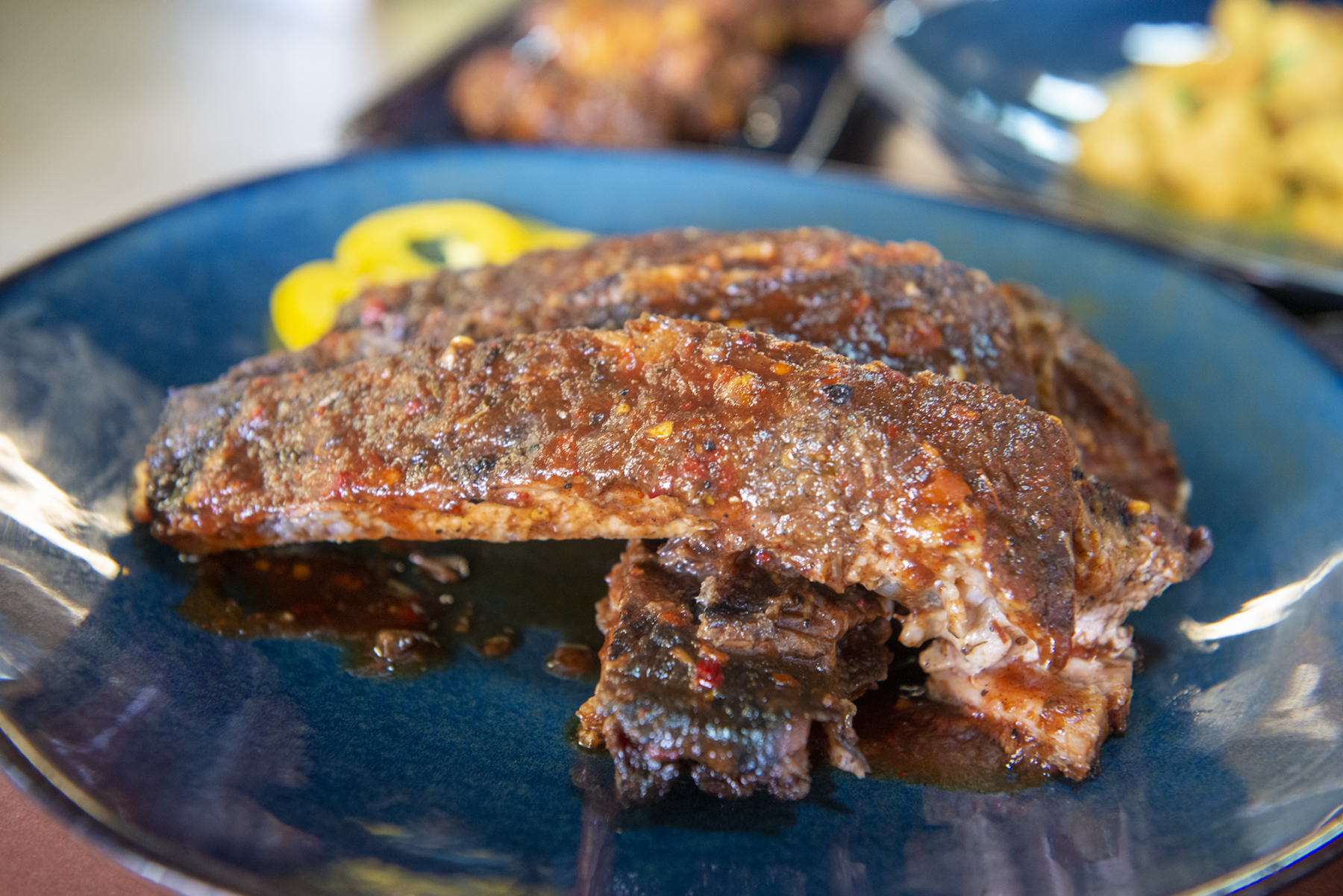
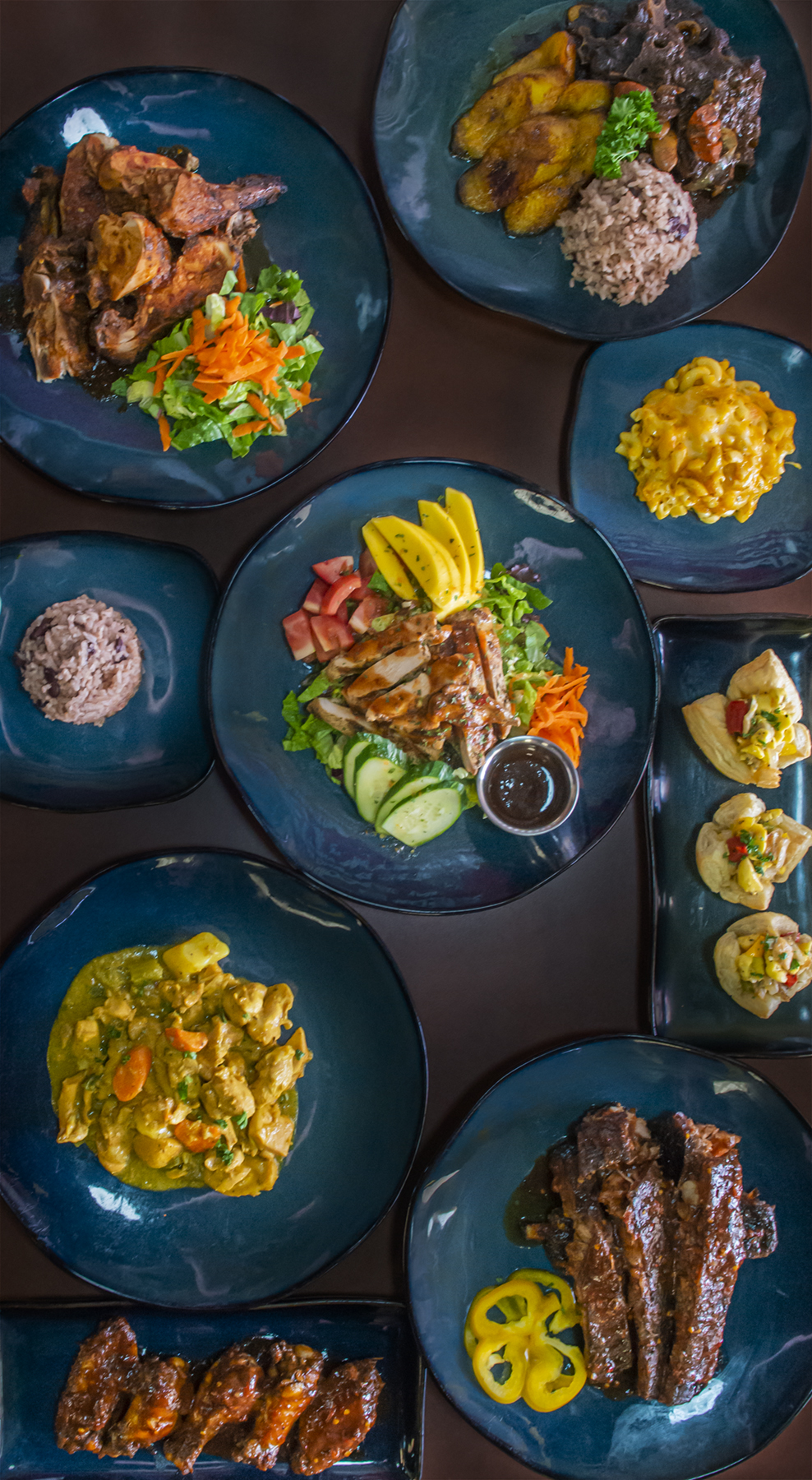
Reggae Pot Jamaican Grill serves Jamaican specialties such as jerk chicken, stewed oxtail, curry goat, and ackee and saltfish. Check the current menu for availability.
What is ackee and saltfish?
It is Jamaica’s national dish. The restaurant prepares ackee with salted cod, onions, thyme, tomatoes, garlic, black pepper, and pimento.
Can I order Jamaican food for pickup in Centennial?
Yes. Choose the Centennial location at 7562 S University Blvd Unit C when placing a takeout order.