Jamaican Food Centennial and the Heritage Behind Every Recipe
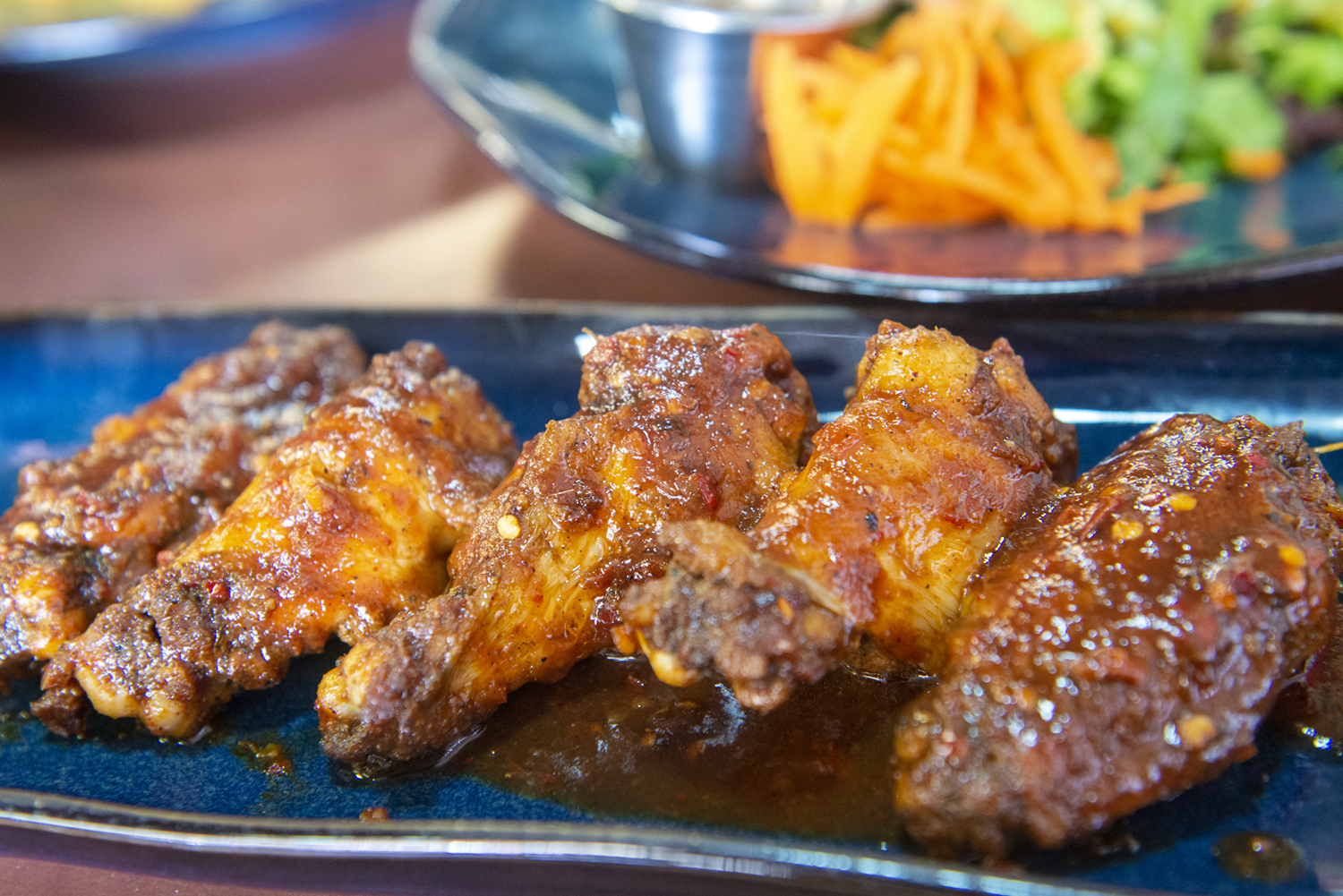
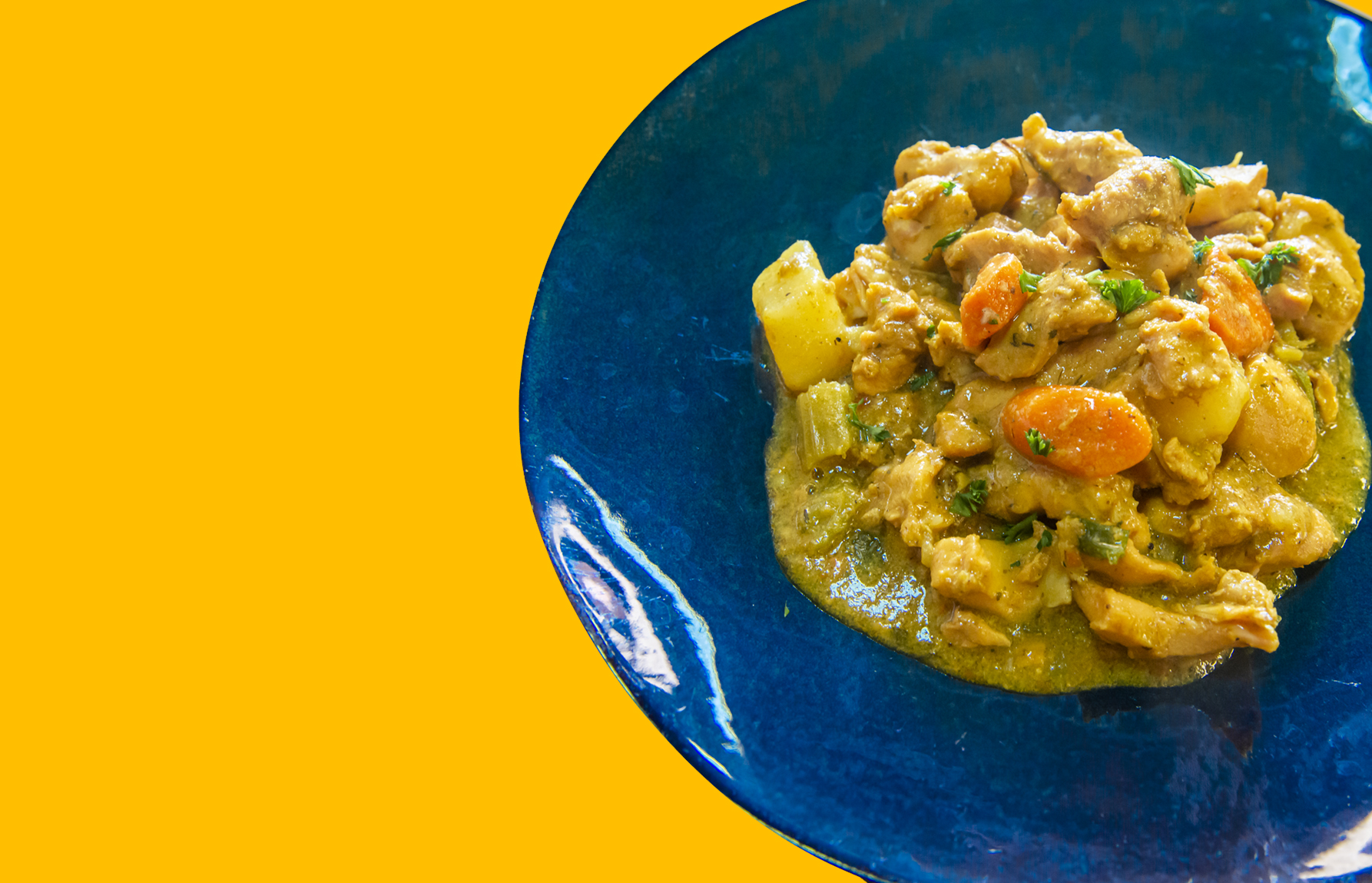
Jamaican food carries memory in a way few cuisines do. A plate of ackee and saltfish, a pot of mannish water, a wrapped parcel of blue drawers, or a Sunday dish of rice and peas is never just food. It is history you can smell before it reaches the table. It is migration made visible. It is hardship transformed into flavor, and celebration expressed through technique, patience, and seasoning.
When people speak about a jamaican food centennial, they often mean more than marking one hundred years on a calendar. They are talking about a century of family kitchens, market stalls, cookshops, fishing beaches, rum bars, church fundraisers, roadside jerk pans, and festival grounds. They are talking about the way recipes survive even when ingredients change, the way methods stay stubbornly intact, and the way taste can hold a community together across generations and across oceans.
That centennial lens matters because Jamaican cooking has never stood still. The food has deep roots older than a hundred years, yet the last century in particular sharpened the modern Jamaican table. Rural cooking traditions met urban life. Imported goods altered daily meals. Migration carried recipes to London, Toronto, New York, and Miami, then brought them back changed. Tourism added pressure and visibility at the same time, encouraging some dishes to become symbols while others stayed private, local, and underappreciated.
To understand the heritage behind every recipe, it helps to look at Jamaican food the way cooks do. Not as a neat museum display, but as a living practice shaped by land, labor, ancestry, and ingenuity.
The island’s table was built from many histories
No single origin story can explain Jamaican cuisine. The island’s foodways were shaped by Indigenous knowledge, colonial trade, forced African labor, emancipation, indentureship, and later migration. Each period left ingredients, habits, and combinations that are now so familiar they can look timeless.
The Taíno, the island’s Indigenous people, contributed cassava, methods of preserving and cooking, and one of the most famous food words in the Caribbean: barbecue. The style of slow smoking meat over pimento wood has changed over time, but that early jamaican food centennial framework matters. Cassava still survives in bammy, that deceptively simple flatbread which, when properly made, has a subtle chew and a toasted edge that pairs especially well with escovitch fish.
African influence sits at the heart of Jamaican food, not as a footnote but as a foundation. Enslaved Africans brought agricultural knowledge, taste preferences, techniques for stewing and seasoning, and an understanding of how to make nourishing food from limited supplies. Callaloo, yam, okra, plantain, pigeon peas, and methods of one-pot cooking all speak to that inheritance. So does the instinct to build flavor in layers rather than rely on one dominant spice.
Spanish and British colonization shaped livestock, citrus use, sugar production, and the economics of the island’s food. Salt cod arrived through trade and hardship, then became part of one of Jamaica’s best-known national dishes. That is a pattern you see again and again in Jamaican cooking: imported necessity becomes beloved tradition.
After emancipation, Indian indentured workers introduced or expanded the use of curry and certain spice combinations. Chinese migrants left clear marks on stir-fry methods, sauces, and food retail culture. Syrian and Lebanese traders contributed to commerce and ingredients that worked their way into everyday life. None of these influences stayed pure. Jamaican cooks did what skilled cooks always do. They adapted, substituted, intensified, and made the food answer to local taste.
That is why heritage in Jamaican cooking is not a static archive. It is a process of creolization, a practical and creative blending that produces something distinct. You can taste this in a curry goat that uses Indian logic but Jamaican heat and thyme. You can taste it in a patty whose form owes something to Cornish pastries, yet whose filling, crust color, and spice profile are unmistakably Jamaican.
Recipes are archives, even when nobody writes them down
One of the great mistakes outsiders make is assuming that recipe heritage depends on written cookbooks. In Jamaica, as in many food cultures, some of the most important recipes lived for decades through observation, repetition, and correction. A grandmother did not need to tell you “add one teaspoon.” She told you to watch the pot. She told you the coconut milk must “take time.” She showed you what browned sugar should smell like seconds before it burns.
That way of cooking can frustrate people trained to expect exact measurements, but it preserves a different kind of precision. The cook learns heat by ear, texture by eye, doneness by smell. A seasoned Jamaican cook can tell whether dumplings are too tight before they hit the boiling water. They know when sorrel needs more ginger without tasting twice. They can judge a breadfruit by touch and know whether it should reggaepotjamaicangrill.com jamaican food centennial be roasted tonight or left another day.
This matters in a discussion of a jamaican food centennial because centennial thinking invites preservation. Preservation is valuable, but it can flatten a cuisine if handled carelessly. A recipe is not only a list of ingredients. It includes the judgment that surrounds the ingredients. It includes the old substitutions used in lean years. It includes the fact that one parish may use more scotch bonnet while another leans harder on black pepper, allspice, or scallion. Heritage survives best when the method and the decision-making survive with it.
Jerk is not just seasoning, it is technique and territory
Jerk has become one of Jamaica’s best-known culinary exports, and that popularity has brought a familiar problem. The word now gets used too loosely. Bottled marinades call themselves jerk even when they barely resemble the real thing. Restaurant menus apply the term to almost any grilled meat with chile heat. The result is that the deeper heritage can disappear behind branding.
Traditional jerk is inseparable from method. The seasoning blend matters, of course: allspice, thyme, scallion, scotch bonnet, garlic, ginger, salt, and sometimes cinnamon, nutmeg, cloves, or brown sugar, depending on the house style. But just as important are the marination time, the smoke, the pimento wood, and the patient cooking that allows the meat to absorb rather than merely wear the flavor.
In Jamaica, the best jerk often still reflects place. Portland and Boston are regularly named in conversations about classic roadside jerk, and not without reason. The smoke profile, the balance of sweet heat, the handling of pork fat or chicken skin, these details separate serious craft from a quick approximation. A cook who has worked a jerk pan for years develops instincts no bottled sauce can imitate. They know when flare-ups are useful and when they will ruin the spice crust. They know the difference between a smoky finish and bitterness. They understand that resting the meat is part of the process.
That level of craft reveals something essential about Jamaican culinary heritage. Even the most famous dish is not a slogan. It is labor, environment, and accumulated experience.
The national dishes tell a story of adaptation
Ackee and saltfish is often introduced to visitors as Jamaica’s national dish, but its deeper significance lies in how elegantly it tells the island’s story. Ackee, originally from West Africa, found a home in Jamaica and became central to local cooking. Saltfish arrived through Atlantic trade networks and preservation needs. On paper, it sounds like an unlikely pair. On the plate, it makes complete sense.
A good ackee and saltfish demands restraint. The ackee must be handled carefully so it keeps its shape and delicate, buttery texture. The saltfish must be properly soaked and flaked so the dish tastes seasoned, not aggressively salty. Tomato, onion, scallion, thyme, and black pepper usually play supporting roles, while scotch bonnet may lend aroma more than brute heat. The dish works because contrast is controlled. Soft ackee meets the firmer fish. Richness is lifted by herbs and a little sweetness from onion or tomato.
Rice and peas tells another story, one about Sunday ritual, coconut, and the quiet importance of starch in Jamaican meals. Outside Jamaica, people often misunderstand the name and assume green peas. In most Jamaican homes, the peas are kidney beans or gungo peas, depending on season and preference. The rice is cooked with coconut milk, thyme, scallion, and allspice, sometimes with a whole scotch bonnet laid into the pot for fragrance rather than direct fire. The point is not simply to make rice taste better. The point is to create a dish that can anchor a meal, carry gravy, and still hold its own.
Then there is rundown, one of those dishes that deserves far more attention in conversations about heritage. The name refers to the reduction of coconut milk until it thickens and intensifies, coating fish or shellfish with a savory richness that feels both rustic and precise. Proper rundown teaches patience. Rush it, and the sauce stays flat. Let it develop, and it gains body and depth without becoming heavy.
These dishes endure not because they are old, but because they still make practical and sensory sense. They nourish. They use ingredients intelligently. They satisfy both everyday hunger and ceremonial expectation.
Parish, class, and coastline all shape what Jamaica eats
It is tempting to talk about Jamaican food as if the entire island eats the same way, but regional and social differences matter. A dish prepared in St. Elizabeth may not taste the same as one from St. Mary. Urban cooking in Kingston can differ sharply from food traditions in more rural parishes. Fishing communities naturally lean toward marine ingredients and preservation methods that fit coastal life. Inland communities may center yam, cassava, green banana, and goat.
Class has shaped Jamaican food too, although people do not always say it plainly. Some dishes became associated with necessity because they made use of cheaper cuts, preserved goods, or “provisions” that could stretch a household budget. Over time, many of those same dishes became cherished, even prestigious, in the right setting. Soup made from cow foot, red peas with pigtail, and hearty Saturday cook-ups all demonstrate that transformation. The original context may have been thrift, but the culinary result is often abundance of flavor.
This is one reason heritage discussions need honesty. Romanticizing “traditional food” without acknowledging the material conditions that created it gives only half the story. Jamaican cuisine is full of brilliance, but much of that brilliance was born from scarcity, unequal access, and the pressure to make every ingredient count. The cook who knows how to turn salted meat, ground provisions, thyme, onion, and a little heat into a deeply satisfying meal is not working from folklore alone. They are working from generations of disciplined adaptation.
Street food carries some of the strongest memory
Formal dining gets attention, but Jamaican food heritage often survives most vividly on the street. A roadside pan chicken setup, a soup man selling by evening light, a patty shop at midday, or a vendor with roasted corn and coconut jelly can reveal as much about the culture as any polished restaurant.
The Jamaican patty is a perfect example. At its best, the crust is short but not dry, richly colored, and sturdy enough to hold a hot filling without collapsing. The filling itself varies, beef being the most common ambassador, but chicken, vegetable, callaloo, shrimp, and soy versions all exist. What matters is balance: enough moisture to feel substantial, enough spice to wake the palate, enough structure to remain portable. The patty is everyday food, commuter food, school lunch, snack, and national shorthand all at once.
Soup culture deserves equal respect. Saturday soup in Jamaica is not an afterthought. It is an event and, in many homes, a discipline. Chicken foot soup, red peas soup, fish tea, pumpkin soup, and mannish water all have their own logic. These are not thin starters in the European sense. They are full-bodied meals, often built on long simmering, root vegetables, dumplings, and carefully developed broth. A proper fish tea should taste clean yet deep, with enough pepper and herbs to clear the head. Mannish water should be robust without turning muddy or greasy. Those distinctions matter to people who grew up with them.
Street food also preserves speed without sacrificing identity. That is harder than it looks. Fast food often strips dishes of their nuance, but Jamaican roadside cooking can retain seasoning depth because many components are prepared ahead with care. A pan chicken vendor might have marinated the meat overnight. A soup vendor may have started the pot before dawn. Convenience comes at the point of sale, not from careless preparation.
The centennial lens also belongs to the diaspora
You cannot talk seriously about modern Jamaican food without talking about migration. Over the past century, Jamaican communities abroad have become guardians of the cuisine in their own right. In some cities, diaspora kitchens preserved dishes that were temporarily fading at home. In others, they adapted recipes to ingredient availability and local demand, creating parallel traditions.
A Jamaican family in Toronto may rely on different varieties of yam or substitutes for escallion depending on season. A cook in London may calibrate scotch bonnet heat for a broader customer base while keeping the core seasoning intact. In New York, Jamaican bakeries and restaurants often become cultural anchors where patties, bun and cheese, soups, and lunch specials connect second-generation children to something they know first through taste.
This migration has trade-offs. Some foods become standardized abroad because restaurants need consistency. Some dishes become sweeter, milder, or heavier to match local expectations. Yet diaspora cooking also protects memory. Many people have learned old-school fruit cake methods, sorrel preparation, or Christmas ham glazing from relatives who left Jamaica decades ago and held on tightly to their habits.
That is why a jamaican food centennial can never be limited to the island’s shoreline. The centennial lives wherever Jamaican cooks have recreated home with thyme, coconut milk, pimento, ginger, and nerve.
Festivals, funerals, Sundays, and Christmas all have their own menus
Jamaican recipes reveal their heritage most clearly in context. Food is not chosen randomly. It follows the social calendar. What appears at Christmas differs from what appears at Easter, a nine-night, a wedding, or an ordinary weekday dinner.
Christmas in Jamaica often means sorrel steeped with ginger and spice, black cake rich with soaked fruit, ham, gungo peas, and a level of kitchen activity that can feel almost theatrical. The black cake is a strong example of heritage through repetition. Every family seems to have an opinion on texture, fruit ratio, darkness, and whether the cake should lean more toward rum, wine, or mixed spirits. The best versions are dense but not leaden, fragrant but not cloying, and matured long enough to taste integrated rather than raw.
Sunday dinner carries its own authority. Rice and peas, stewed chicken, fried chicken, curry goat, or baked fish can all appear, but the point is the gathering itself. Sunday food is often more deliberate than weekday food. It signals pause, family, church rhythms, and the chance to cook dishes that take a bit more time.
At funerals and community events, food often takes on an additional role. It comforts, organizes, and honors. Soup, rice dishes, stews, and breads become practical because they can feed many people, but they also become ceremonial because everyone understands what they signify. Heritage is not abstract in those moments. It is the plate placed in someone’s hand.
Preserving the food means preserving the judgment behind it
If there is a weak point in modern food heritage work, it is the tendency to capture ingredients without capturing standards. People write down “jerk chicken” or “peas soup” and believe the task is done. It is not. The real inheritance lies partly in evaluation. How spicy is too spicy for balance? How long should coconut milk reduce before fish goes in? How soft should a boiled dumpling be before it loses character? When should the thyme be added for best aroma rather than overcooked bitterness?
These are craft questions, and they deserve careful attention.
For anyone trying to preserve Jamaican family recipes across generations, a few practices help:
- Record the sensory cues, not just the measurements.
- Note ingredient substitutions that actually work, especially in the diaspora.
- Write down context, such as whether a dish is for Christmas, Saturday soup, or everyday dinner.
- Preserve local names alongside standard English names for ingredients.
- Taste with elders while they are cooking, because corrections made in real time are often the most valuable lessons.
That kind of documentation respects how the cuisine really functions. It keeps recipes alive instead of embalmed.
Why the future of Jamaican food depends on respecting the past without freezing it
Jamaican cuisine does not need to be protected from change. It has always changed. What it needs is protection from flattening, from careless commercialization, and from versions of authenticity that erase complexity. Heritage should not become a cage. A young Jamaican chef who applies modern plating to pepperpot soup or rethinks bammy with new textures is not necessarily betraying tradition. The question is whether the dish still understands its roots.
The strongest contemporary Jamaican cooking tends to share one trait: respect for the grammar of the cuisine. The chef knows what allspice does. They understand the role of smoke, acid, heat, and sweetness. They know which dishes can tolerate reinvention and which rely on exact texture or ritual to make sense. That kind of judgment produces innovation without gimmick.
This is especially important now that Jamaican food is more visible globally than ever. Visibility is an opportunity, but also a test. The easy route is to market a handful of familiar items and let them stand for the whole island. The harder, better route is to widen the story. Show people the depth beyond jerk and patties. Talk about soups, ground provisions, festival foods, breakfast porridges, cassava, breadfruit, escovitch, rundown, sweets, and the countless home dishes that rarely become international stars.
A true jamaican food centennial is worth honoring not because it packages the cuisine into a neat anniversary, but because it reminds us that every recipe arrived through people who cooked under real conditions. Some were farmers. Some were fisherfolk. Some were market women balancing accounts in their heads. Some were migrants improvising with unfamiliar produce in foreign cities. Some were grandmothers who never wrote a recipe card in their lives and still fed dozens with astonishing consistency.
That is the heritage behind every recipe. Not nostalgia alone, and certainly not branding alone. It is memory, technique, pressure, adaptation, celebration, and taste sharpened by time. Jamaican food endures because it has always known how to carry all of that at once, on a single plate, in a single pot, and often in a single bite.
Reggae Pot Jamaican Grill
Address: 7562 S University Blvd C, Centennial, CO 80122
Phone number: +13039975623
FAQ About Jamaican Food Centennial
What is typical Jamaican food?
Typical Jamaican food features bold, vibrant flavors created by blending African, Taino, European, and Asian influences.
What is a famous Jamaican dish?
The most famous Jamaican dish is Ackee and Saltfish, which is the national dish of Jamaica.
What are the top 10 foods to eat in Jamaica?
AI Overview The top 10 traditional foods to eat in Jamaica are bold, flavorful dishes that mix local ingredients with global influences.